
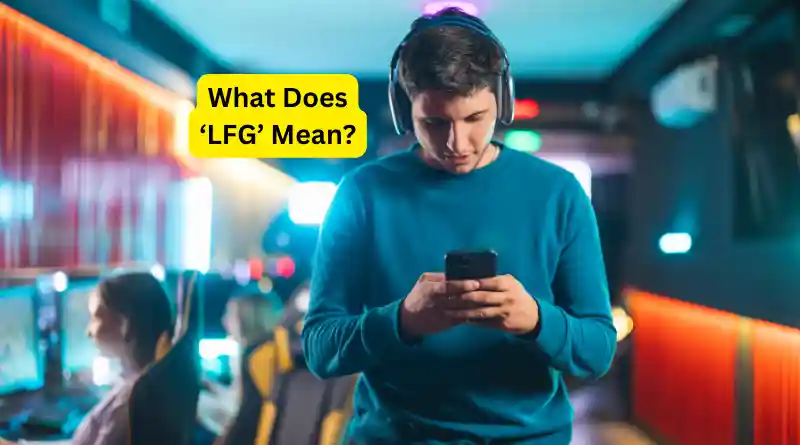
Bedeutung von LFG: Von Spieleabenden zu Abenteuer-Aufrufen
Bedeutung von LFG: Entschlüsselung der Verwendung des Akronyms in der Gaming-Kultur
Im heutigen digitalen Zeitalter ist die Abkürzung “LFG” allgegenwärtig, wenn Texteingabe-Slang entschlüsseln auf verschiedenen Online-Plattformen. Die LFG-Bedeutung, die ursprünglich in der Gaming-Community verwurzelt ist, steht für “Looking for Group”, ein Begriff, der die Absicht eines Spielers signalisiert, andere zur Zusammenarbeit für Multiplayer-Gaming-Erlebnisse zu finden. Spieler verwenden dies oft Abkürzung um ihre Suche nach Teamkollegen zu optimieren und ihre Gaming-Sessions zu verbessern.
Jenseits des pixeligen Bereichs von Videospielen hat sich “LFG” auch zu einem umfassenderen Ausdruck von Begeisterung und Bereitschaft entwickelt, der oft als “Let’s F***ing Go!” ausgerufen wird. Diese Phrase fängt ein Gefühl der Aufregung ein und ist in unzähligen Szenarien anwendbar, vom Sammeln von Freunden für eine Nacht aus bis hin zum Anheizen von Massen bei Konzerten oder Sportveranstaltungen. Mit dem Fortschritt von Sprache und Technologie ist “LFG” ein Beispiel für die dynamische Natur der Online-Kommunikation und ihren Einfluss auf den Mainstream-Lexikon.
Kernaussagen
- “LFG” stammt aus dem Online-Gaming, wo es “Looking for Group” bedeutet.”
- Das Akronym hat das Gaming überschritten und ist nun ein allgemeiner Ausdruck der Begeisterung.
- “LFG” steht für die fortlaufende Weiterentwicklung der Kommunikation in digitalen und realen Kontexten.
Was bedeutet LFG?
Auf geht's!
- Vorfreude und Freude“LFG” zuordnen Feier-Emojis Um die Aufregung zu steigern.
- Konzertkarten gebucht! Auf geht's 🎉🎶“
- Abenteuer ruftReisebezogene Emojis verwenden, wenn Sie sich für Reisen oder Outdoor-Abenteuer rüsten.
- Die Autoreise beginnt jetzt, auf geht's 🚗💨“
- Spielabend-AufregungLFG mit spielbezogenen Emojis, um eine spielerische Stimmung zu erzeugen.
- “Der Spieleabend ist eröffnet, lasst uns spielen 🎲🕹️”
Für “Gruppe suchen”
- Auf der Suche nach Gefährten: Kennzeichnen Sie Ihr Spielgenre mit geeigneten Emojis, um gleichgesinnte Spieler anzuziehen.
- Suche Gruppe für Dungeon-Raid 🐉🛡️“
- Teampartner gesuchtVerwenden Sie Sport- oder Aktivitäts-Emojis, um Ihre Gaming-Aktivität zu verdeutlichen.
- Ich suche Leute für Basketballspiele 🏀🙌“
- Aufbau eines KadersIntegrieren Sie charakter- oder rollenspezifische Emojis, um die gesuchte Teamzusammensetzung anzugeben.
- Beispiel: “LFG, brauche einen Heiler und einen DPS 🧙♂️🗡️”
Universelles “LFG”-Flair: Emojis mit LFG verwenden:
- Allgemeine AufregungDas Raketen-Emoji steht für Geschwindigkeit und Begeisterung und eignet sich perfekt für allgemeine “LFG”-Nachrichten.
- “Projekttag, auf geht's 🚀”
- Feierliche StimmungEin Wunderkerze oder Feuerwerk-Emoji kann die feierlichen “LFG”-Momente hervorheben und Errungenschaften oder besondere Anlässe markieren.
- Endlich den Abschluss gemacht, auf geht's! 🎓✨“
- Freundschaftliche RallyeDie High-Five- oder Handschlag-Emojis können Kameradschaft sowohl in Gaming- als auch in Nicht-Gaming-“LFG”-Kontexten darstellen.
- Das Teamprojekt beginnt, auf geht's 🤝“
Durch die durchdachte Kombination von “LFG” mit Emojis verwandeln Sie einfachen Text in eine dynamische, emotionsgeladene Botschaft. Es ist eine unterhaltsame und effektive Methode, Ihre Begeisterung und Absicht zu vermitteln und sicherzustellen, dass Ihr Aufruf zum Handeln – sei es für Spaß, Abenteuer oder Gaming – Aufmerksamkeit erregt und Herzen Ihre Zielgruppe. Lassen Sie die Emojis sprechen und machen Sie Ihr “LFG” in der digitalen Masse hervorstechen!
LFG (Looking For Group) in Online-Spielen

Im Bereich des Online-Gamings steht “LFG” für “Looking for Group” (Suche nach Gruppe), ein Ausdruck, der für Spieler, die sich mit anderen zusammenschließen möchten, um die virtuellen Herausforderungen in ihren Lieblingsspielen zu meistern, von grundlegender Bedeutung ist. Dieser Abschnitt bietet einen detaillierten Überblick über die facettenreiche LFG-Landschaft, die sich über verschiedene Plattformen, Spiele und Communities erstreckt.
Multiplayer-Spiele und Gemeinschaften
Online-Multiplayer-Spiele gedeihen durch das Gefühl der Kameradschaft und Teamarbeit, das sich innerhalb von Gaming-Communities bildet. Spieler finden sich oft zusammen, um Gilden in MMORPGs wie World of Warcraft oder Trupps in Shooters wie Apex Legenden. Diese Gemeinschaften nutzen die LFG-Terminologie, um ihre Reihen aufzufüllen, sei es für einen epischen Raid oder für einen schnellen Dungeon-Lauf.
Beliebte Online-Spiele und Plattformen
Spezifische Titel wie Schicksal und Overwatch cultivierten riesige Anhängerschaften, wo das LFG-Konzept alltäglich ist. Spieler navigieren zu Plattformen wie Discord oder Reddit, wo dedizierte Kanäle und Foren diesen Bedürfnissen gerecht werden, was es Spielern ermöglicht, sich zu vernetzen und zusammenzuarbeiten.
Spielspezifische Terminologie
Jedes Spiel birgt seine eigene, mit Akronymen gespickte Terminologie. Ein Heiler in einem MMOs könnte man eine Gruppe über “LFG” suchen, während ein League of Legends-Spieler um Hilfe auf einer Suche die Rangleiter zu erklimmen. Diese Begriffe sind nicht nur Fachjargon, sondern auch eine Brücke, die Gamer zur Zusammenarbeit anleitet.
Die Rolle der sozialen Medien
Soziale Medienplattformen erweitern die Reichweite von LFG-Interaktionen über spieleigene Foren hinaus. Spieler rekrutieren Teammitglieder über Tweets an Twitter, Beiträge auf Facebook, oder Geschichten über Instagram. LFG ist somit zu einer Brücke zwischen virtuellen Spieleaktivitäten und sozialem Networking geworden.
Akronyme und Slang in der Gaming-Kultur
Der digitale Dialog der Online-Gaming-Kultur ist reich an Akronymen. Ausdrücke wie GG (good game), GLHF (good luck have fun) und AFK (away from keyboard) sind in diesen Kreisen selbstverständlich. LFG ist ein weiterer Baustein in dieser Fachsprache, der zur Optimierung der Kommunikation beiträgt.
Gruppen jenseits des Gamings finden
Der Nutzen von LFG geht über das Gaming hinaus. Er zeigt sich in Sportfan-Gemeinschaften bei Veranstaltungen wie Fussball-Weltmeisterschaft. Außerhalb des Themas liegende Kanäle innerhalb von Gaming-Foren dienen gelegentlich als Orte, an denen Menschen über gemeinsame Interessen in Kontakt treten können, was die Vielseitigkeit von LFG beweist.
Die Etikette des LFG
Die Teilnahme an LFG erfordert ein gewisses Anstandsverhalten. Dies beginnt mit klarer Kommunikation und reicht bis hin zu gegenseitigem Respekt, insbesondere wenn Fremde zusammenkommen. Die Art und Weise, wie ein Spieler seine LFG-Anfrage präsentiert, kann beeinflussen, wie schnell er in eine Gruppe aufgenommen wird oder ob er übergangen wird.
LFG außerhalb des Gamings
Während “LFG” im Gaming-Kontext überwiegend für “Looking for Group” steht, hat sich die Abkürzung auch auf andere Lebensbereiche ausgeweitet und steht für das Zusammenführen von Personen mit gemeinsamen Interessen oder Zielen, insbesondere in beruflichen und akademischen Umfeldern.
Berufstätige und berufliches Networking
Berufstätige nutzen LFG oft als Kurzform für die Suche nach beruflichen Netzwerkmöglichkeiten. Auf Plattformen wie LinkedIn, LFG kann die Absicht einer Person signalisieren, sich mit anderen in ihrem Fachgebiet zu vernetzen, Ideen auszutauschen oder potenzielle Stellenangebote zu finden. Diese Verwendung von LFG steht im Einklang mit dem Wachstum der Erwerbsbevölkerung, wo Arbeitnehmer aktiv nach Möglichkeiten suchen, sich für ihre berufliche Weiterentwicklung und Kompetenzentwicklung zusammenzuschließen. Networking-Veranstaltungen, ob online oder im echten Leben (IRL), sind entscheidend für Fachleute geworden, die ihre Kontakte erweitern und Türen zu neuen Möglichkeiten öffnen wollen.
Bildungs- und Studiengruppen
Auch Bildungsbemühungen profitieren vom LFG-Konzept. Studierende oder lebenslang Lernende können in Online-Foren oder Communities “LFG” posten, wenn sie Lerngruppen suchen. Diese Gruppen können sich auf spezifische Online-Kurse oder allgemeinere akademische Interessen beziehen. Die Verwendung von LFG in Bildungseinrichtungen erleichtert kollaboratives Lernen und den Austausch von Ressourcen und unterstützt die Studierenden auf ihrem Weg zu Wissen und akademischem Erfolg. Es ist ein Werkzeug für Studierende, um sich zu äußern und zu sagen: “Hey, lasst uns gemeinsam an diesem schwierigen Analysisproblem arbeiten oder in Shakespeares Stücke eintauchen.” Es geht darum, das Studium zu einer Teamleistung und nicht zu einer einsamen Plackerei zu machen.
Technische Aspekte der LFG

Bevor wir uns mit den komplexen Mechanismen von LFG befassen, ist es entscheidend zu verstehen, dass dies hochentwickelte KI und Algorithmen umfasst, die auf verschiedenen Plattformen wie PCs und Mobilgeräten funktionieren.
KI und LFG-Mechanismen
LFG, commonly understood as “Looking For Group,” employs AI mechanisms to facilitate and streamline the process of group formation in gaming and online communities. In essence, AI algorithms analyze player data, preferences, and history to suggest potential group members, optimizing the matchmaking process.
For example, on a PC, an LFG system may utilize complex algorithms to assess a player’s skill level, in-game achievements, and playtime to match them with similar players. This process involves machine learning models that continuously improve the accuracy of their suggestions.
Similarly, LFG features on mobile apps incorporate responsive AI that adapts to the limitations and interfaces of mobile devices. These systems prioritize speed and ease of use, leveraging predictive typing and simplified UI elements to aid in swift group formation.
Der AI components in LFG mechanisms are critical for delivering a seamless and relevant experience. They are built on multifaceted algorithms that not only weigh a player’s in-game statistics but might also consider geographical location and available playtime, ensuring groups can meet in real time without conflicts.
In both PC and mobile contexts, the LFG experience is supported by backend AI systems that analyze user behavior, predict user needs, and personalize the matchmaking process. As these systems learn from each interaction, they become more adept at creating groups that offer players the best possible gaming experience.
Cultural Impact of LFG
The phrase “LFG” has transcended its origins as a simple call to action within online gaming and has firmly rooted itself into various facets of digital and contemporary culture. It now serves as both a rallying cry in social media and a slang term embedded in popular language.
Representation in Social Media
On platforms like Instagram, “LFG” manifests as a motivational message, a spark to rally support or enthusiasm for a shared cause or event. Posts often pair it with other internet slang such as “yeet” or affectionate acronyms like “xoxo” and “ily,” illustrating a melding of excitement and warmth. Urban Dictionary reflects this usage, capturing the evolving meanings ascribed by users. These convergences show how “LFG” is not just a call to action but also a connector, bringing people together in a digital space for a common purpose.
LFG in Popular Language
“LFG” has confidently stepped out of its strict gaming confines, evolving into a phrase that carries the connotation of moving forward with determination. It’s not uncommon to hear “Let’s freaking go” or its more explicit variations used during moments of high excitement or to pump up a crowd. The phrase has even made appearances in professional sports, demonstrating how it has permeated diverse aspects of culture. This evolution evidences the fluid nature of internet slang and how it can shape and reflect the language of a generation.
Evolution of Online Communication
In the dynamic realm of the internet, communication has undergone a significant transformation, evolving from simple acronyms to elaborate memes that convey complex emotions and thoughts.
From Acronyms to Memes
Initially, internet slang served as a swift way to convey messages, often due to the character limits imposed by early communication services. Acronyms—like BRB (be right back), IMO (in my opinion), and LOL (laugh out loud)—became quintessential pillars in digital discussions. They enabled users to express reactions and thoughts succinctly.
Over time, these acronyms became a widespread form of shorthand, enriching the conversational tapestry of online communication. For instance, FYI (for your information) and IMHO (in my humble opinion) seamlessly integrated into various dialogues, indicating a casual but informative tone. Even gaming communities adopted acronyms such as GG (good game), which acknowledged a game well played.
As digital platforms evolved, so did the nuances of these acronyms. Terms like YOLO (you only live once) encapsulate a cultural philosophy, urging users to embrace life’s opportunities. Moreover, the corrective FTFY (fixed that for you) often appears in forums to denote alterations or corrections made in a light-hearted manner.
Meanwhile, memes emerged as another revolutionary communication tool, often combining imagery with text to capture a wide range of emotions and cultural references. They transcended the constraints of text, allowing for a richer, more layered method of expression. Memes now accompany or even replace textual communication, demonstrating the vast palette of digital dialogue.
Together, these verbal and visual elements attest to the ingenious ways internet users have adapted to and enhanced online communication. They continue to shape and mirror the ever-changing digital landscape, painting a vivid picture of modern social interaction.
Safety and Privacy Concerns

While engaging with online gaming communities, players should be aware of the potential risks to their safety and privacy. Among these concerns are account security and handling online harassment, which are critical to ensuring a safe gaming environment.
Account Security in Online Platforms
Online platforms should prioritize user account security, as it acts as the first line of defense against unauthorized access. Gamers are encouraged to create strong passwords combining letters, numbers, and symbols to fortify their accounts. Moreover, implementing two-factor authentication adds an extra layer of security, making it tougher for intruders to gain entry. Additionally, gamers should always be vigilant of phishing attempts and secure their personal information diligently. Privacy settings offered by gaming platforms can help users control who sees their gaming activity and personal information.
Handling Online Harassment
In the realm of online gaming, handling online harassment is a serious matter. Communities are encouraged to establish and adhere to community guidelines promoting respectful conduct. They must also provide robust and accessible reporting systems for users to report any form of harassment swiftly. Prompt responses to such reports can prevent situations from escalating, helping maintain a respectful and enjoyable gaming environment for everyone.
Players should remember that both the security of their accounts and handling harassment are integral to their overall online experience. They need to make use of all the tools and resources provided by gaming platforms to help maintain their safety and privacy while enjoying the virtual worlds they love.
Future of LFG

The future of LFG (Looking for Group) is shaping up to be an exciting arena, especially with advances in technology and shifts in online behavior. In the world of online gaming – encompassing MMOs, FPSes, RPGs, and other interactive experiences – matchmaking and social engagement are poised for transformation.
Innovations in Online Group Formation
Advancements in AI und machine learning are expected to revolutionize how players find groups within RPGs and MMOs. AI algorithms are becoming adept at predicting player compatibility and suggesting potential teammates, aiming to enhance the gaming experience. Additionally, the growth of virtual reality (VR) and augmented reality (AR) technology offers new ways for gamers to connect and interact. By integrating VR and AR, players might soon step into more immersive game worlds and form groups in ways that closely mimic real-life interactions.
Moreover, the gaming industry in the EU and AMA (Americas) is investing in technologies that streamline the group formation process. They foresee a future where in-game tools are so intuitive that they can connect players effortlessly, reducing wait times and ensuring more balanced team dynamics.
Trends in Online Interaction
The trend in online interaction moves towards more integrated social experiences. Streaming services and platforms are tapping into the power of live broadcasts to create virtual events that feel as compelling as attending in-person. This shift is significantly impacting the eSports scene, where LFG could expand to include finding fellow fans and teammates to attend online events together.
Furthermore, the popularity of games with significant online components continues to encourage developers to create more elaborate social features within games. Trends suggest that there may be a closer synergy between in-game LFG systems and external social platforms, fostering a more connected and holistic gaming community.
Within this landscape, LFG’s future will be crucial for nurturing the social fabric of online gaming, as group formation and interaction go hand-in-hand with the staying power and engagement levels of these virtual worlds.
Schlussfolgerung

In the dynamic landscape of online communication, LFG stands out as an acronym that smoothly fits various contexts. Initially, Looking for Group was the go-to interpretation within gaming circles, where players band together for quests and raids. However, as digital socializing evolves, Let’s Freaking Go has become an equally prevalent usage, echoing excitement and Kameradschaft across social media platforms.
By examining the different ways LFG is employed, it’s clear that context dictates meaning. Whether rallying a team in an online game or firing up friends for a real-world adventure, LFG captures the spirit of collaboration and enthusiasm.
Remember, though, that while LFG is informal and versatile, appropriateness is crucial. It fits best in casual conversations or when you’re among peers who appreciate internet shorthand. Use it to inspire, to invite, and to ignite that sense of urgency and excitement that comes with embarking on something new, be it a challenging game level or a spontaneous road trip.
In essence, LFG serves as a digital battle cry, a unifier of groups with a common goal, and a bridge between virtual achievements and real-life thrills. It’s a reflection of the digital generation’s pulse — quick, adaptable, and always ready for the next big thing.
Häufig gestellte Fragen
For Gen Z, LFG may straddle the line between a call to action and an expression of enthusiasm in the sense of “Lets freaking go!”. It encapsulates the spirit of diving into experiences, be it digital or real-life adventures.
In online gaming, LFG stands for Looking For Group. Gamers use this acronym when seeking others to team up with, for completing quests or tackling challenges in games like MMORPGs and FPSes.
In cryptocurrency, LFG can sometimes refer to a “Let’s Fucking GO” to the moon attitude, denoting excitement or encouragement when a crypto asset is performing well or hinting at a rally.
Within team sports, LFG often carries the same cooperative spirit as it does in gaming. It represents players or teams on the lookout for new members, additional players, or even scrimmages.
In social media, LFG retains its rallying cry essence, signaling enthusiasm or the start of an endeavor. It can be a general statement of motivation or about embarking on a streaming session, project launch, or any collaborative effort.





 English
  Español de México
  Português do Brasil
  日本語
日本語  Français
  Deutsch (Sie)